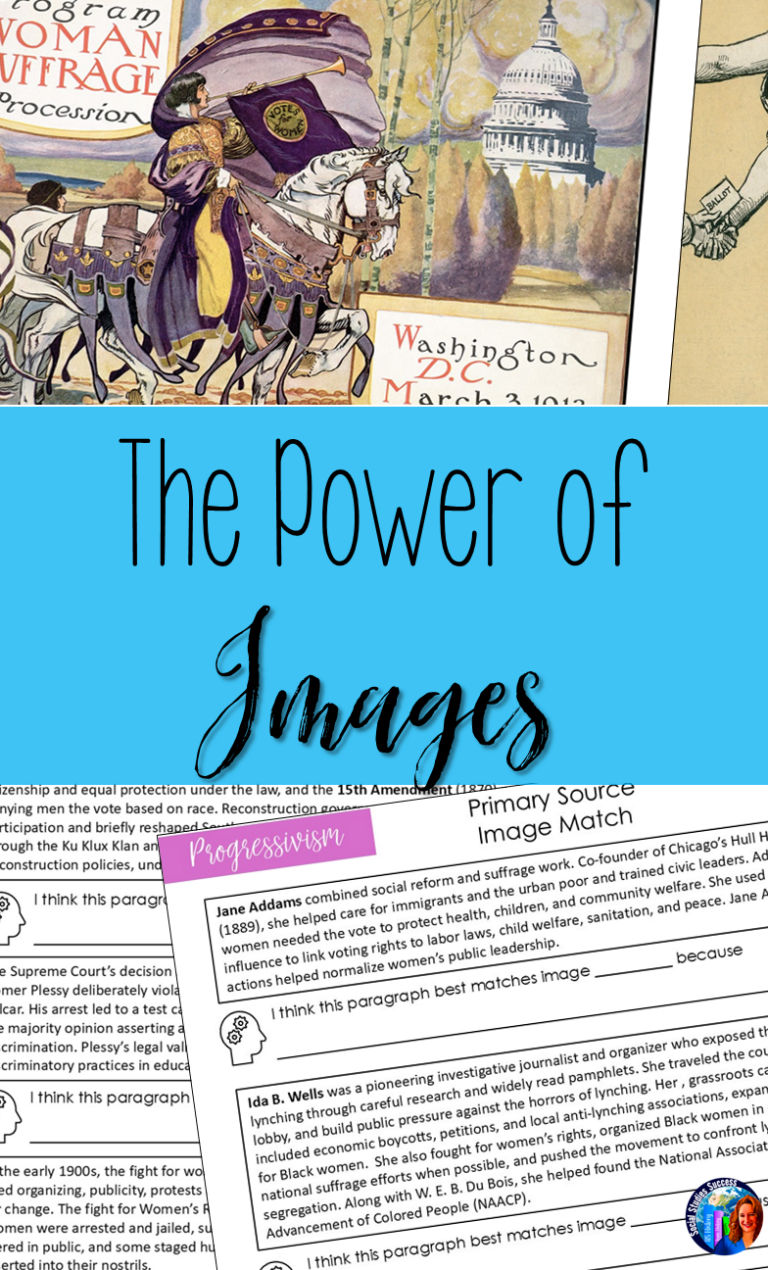
They Look at the Image First. They Always Do.
Put a photograph and a paragraph on the same page and watch what happens. The eye goes straight to the photograph. Students study it for about four seconds, decide they now know what the section is about, and run a highlighter down the paragraph without taking in a single word. The image did the thinking for them, and it did it badly.
That is not a bad habit you need to break. It’s a habit you can use — as long as you flip the order.
Prereading is the stage we cut first
Every reading strategy I use lives in one of three places: before students read, while they read, or after they read. Before-reading is the stage that disappears first when the bell is coming and there are four slides left. It looks like a warm-up. It feels optional. It is neither. Students do not comprehend cold text, and a paragraph about Reconstruction hands a fourteen-year-old three unfamiliar proper nouns, a cause-and-effect chain, and a set of assumptions nobody ever taught her. Prereading is where we build the background knowledge that makes those sentences mean something, where we give students a reason to read that isn’t “because I said so,” and where we put the vocabulary in their mouths before they meet it on the page. Skip it and you haven’t saved eight minutes — you’ve spent the next twenty re-teaching a reading the class already technically did. The work at the front of a lesson is what determines whether the reading in the middle of it works at all.
The strategy: Primary Source Image Match
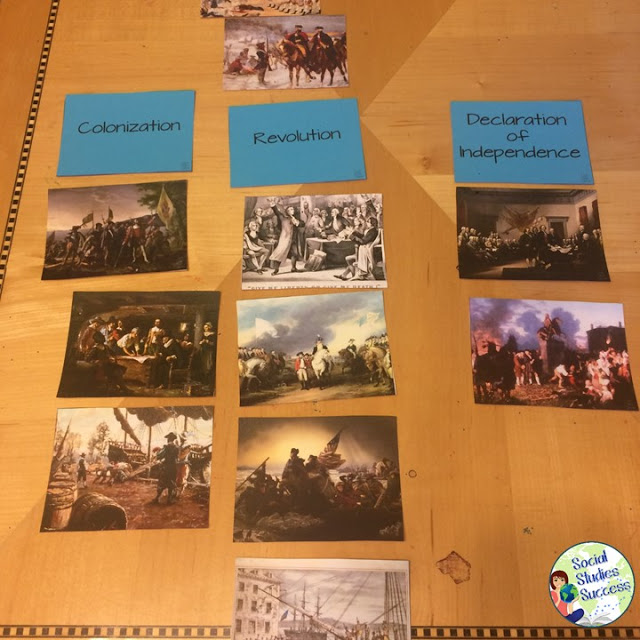
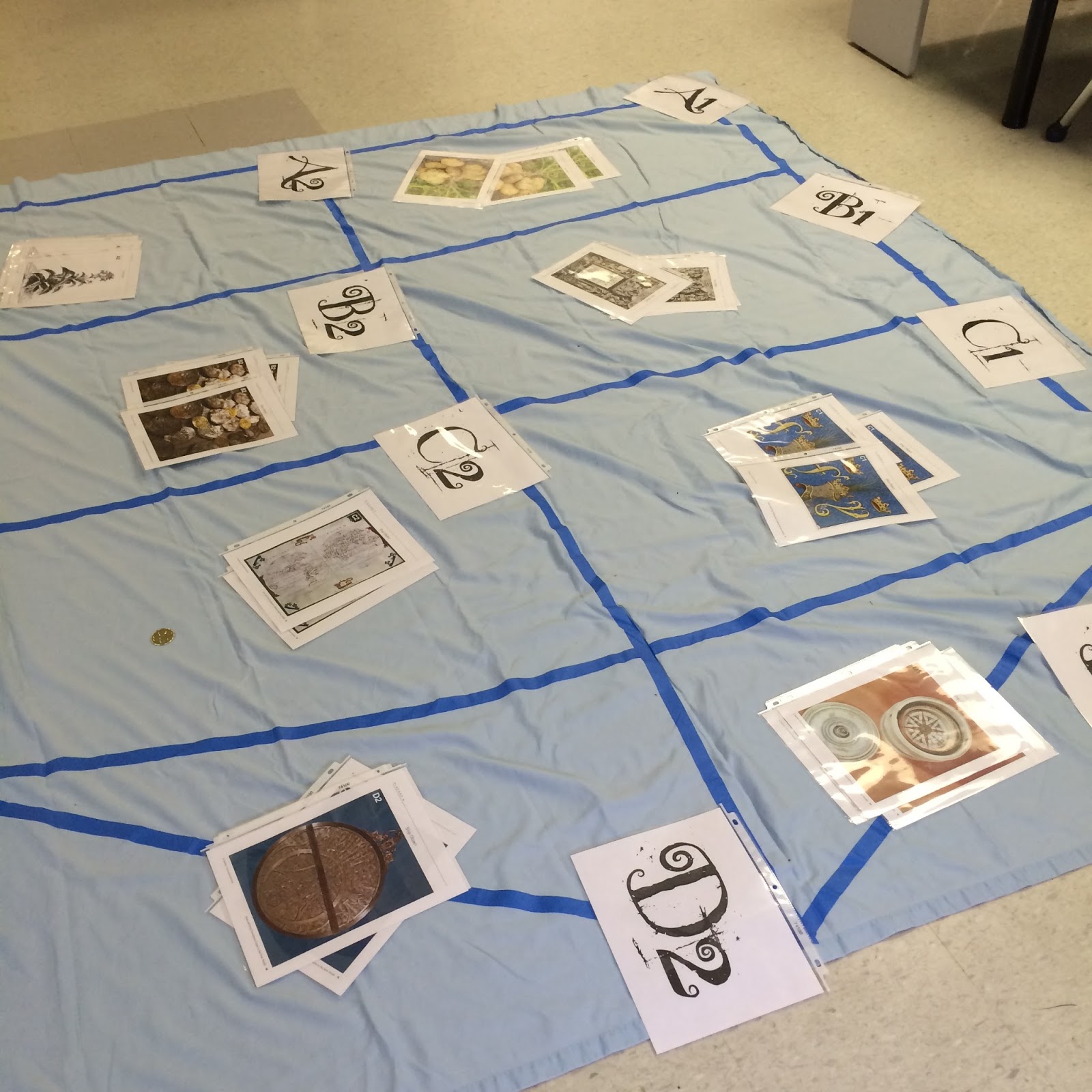
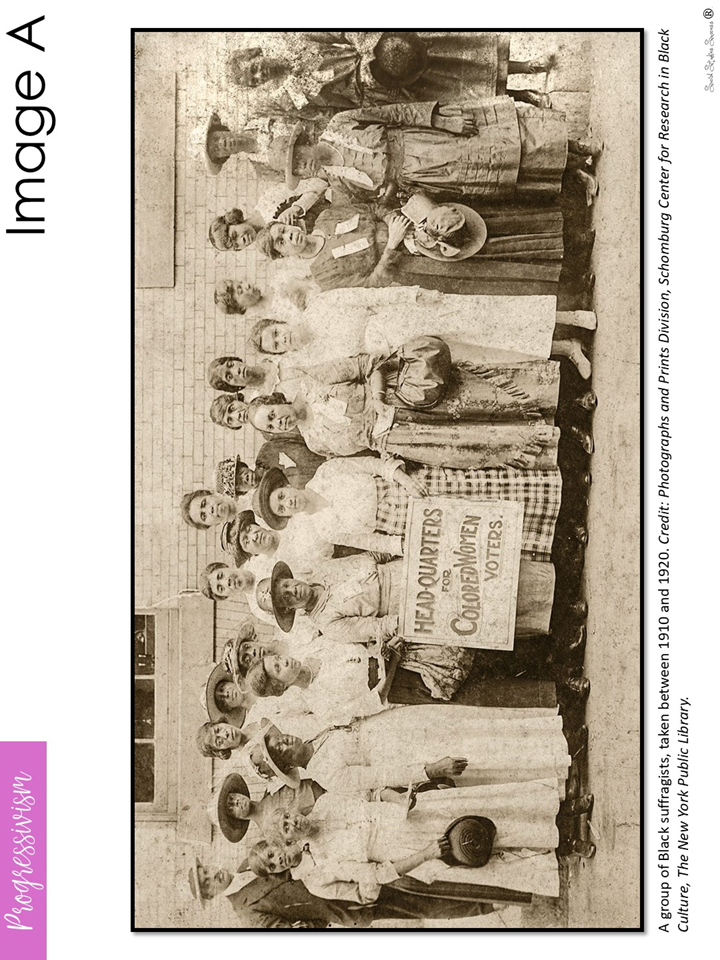
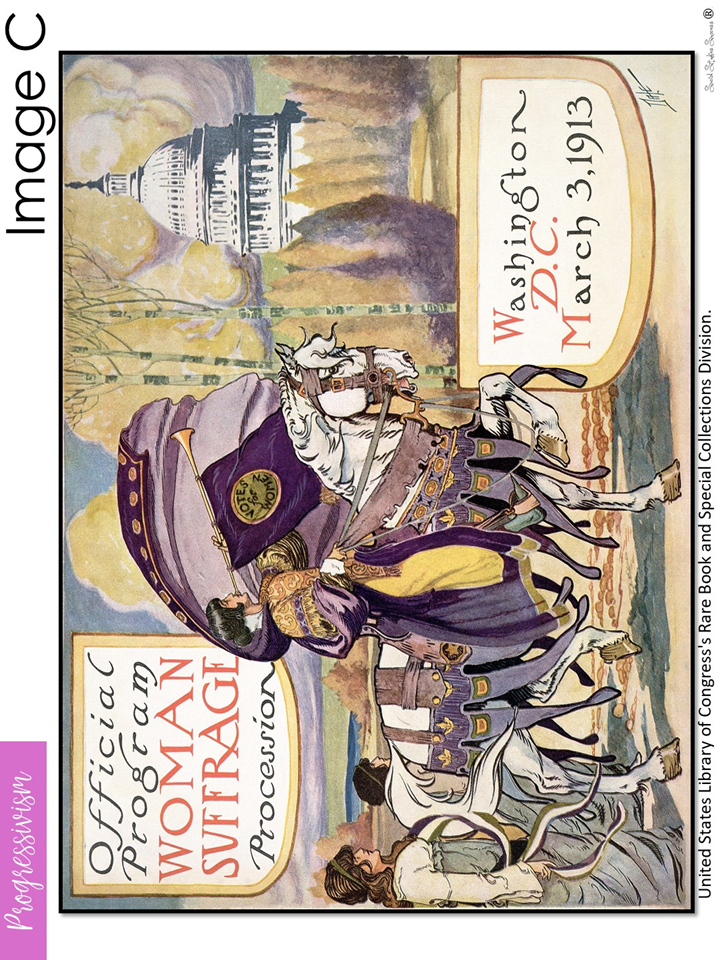
Here’s the setup. Post primary source images around the room — photographs, cartoons, book covers, program covers — each one labeled with a letter and nothing else. No captions on the wall. No explanations. Just Image A, Image B, Image C.
Students get a partner and a handout of short paragraphs. In my Progressive Era lesson those paragraphs cover Reconstruction and the Reconstruction Amendments, Plessy v. Ferguson, the tactics of the suffrage movement, Susan B. Anthony and Alice Paul, Jane Addams, Ida B. Wells, W. E. B. Du Bois, and the Nineteenth Amendment.
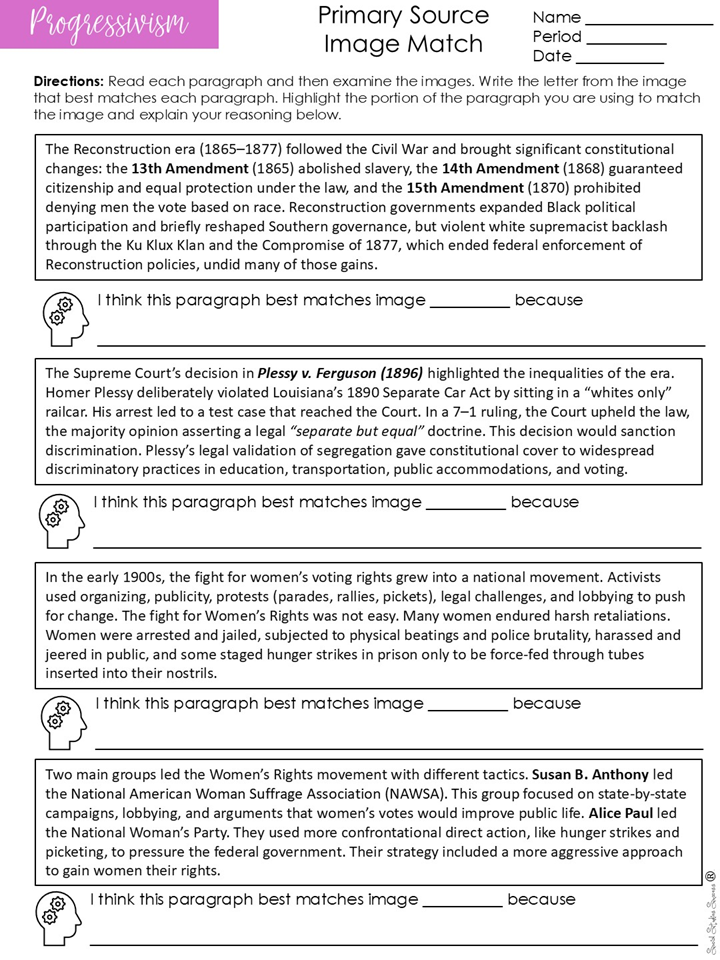
They read a paragraph. Then — and only then — they get up, walk the room, and find the image they believe it matches. When they’ve chosen, they do two things on the handout: they highlight the portion of the paragraph they can actually see in the image, and they finish the sentence I think this paragraph best matches image ____ because ____.
That’s the whole activity. The design is in the details.
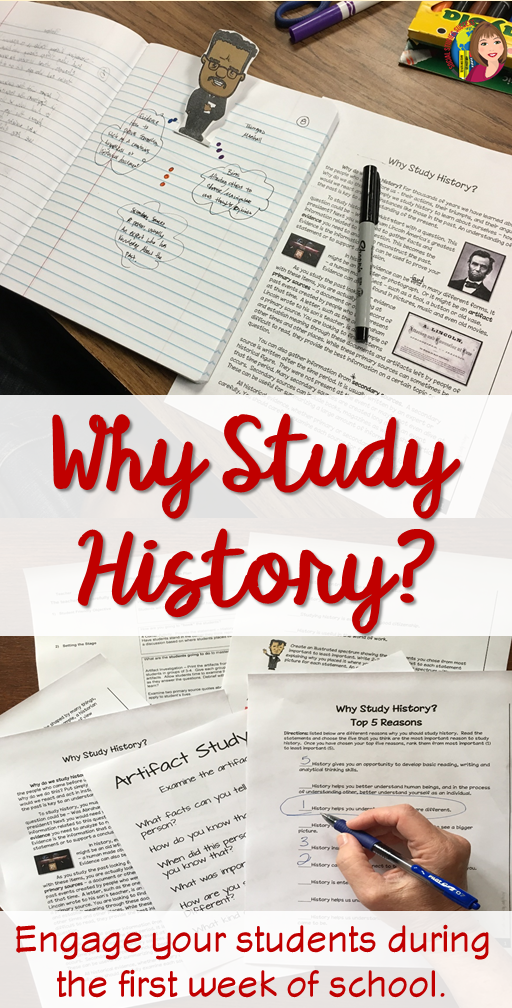
The student handout is made up of multiple paragraphs, a blank for the letter, and a sentence stem that will not accept a one-word answer.
Four decisions that make it work
There are more images than paragraphs.
Always post more images than paragraphs. Nobody can work by elimination, and the last pair standing isn’t handed an answer by default. Students have to read to choose.
One paragraph can honestly match several images.
The suffrage-tactics paragraph mentions parades, picketing, arrest, and force-feeding — a student can defend the 1913 procession program, the picket line, or the group of Black suffragists at their headquarters. All three are defensible. None of them is the answer.
Because of that, the justification is the assignment.
The letter in the blank is is only part of the activity. The sentence after because is worth everything. You are not checking whether they matched G to Ida B. Wells. You are checking whether they can point at the words pamphlets and lynching in the paragraph and then point at a fifteen-cent pamphlet on the wall with her name printed on it. That’s a student citing evidence, at the very start of the lesson, before you’ve taught anything.
The highlighting is targeted.
Students who highlight everything are usually students who haven’t been told what they’re looking for. Here they have: highlight the piece of this paragraph you can see. Suddenly three or four words get marked instead of four lines, and those words are the ones that carry the claim. And guess what??? This is the very skill many state assessments test!
And they’re on their feet. The reading happens standing up, in conversation, with a partner who disagrees.
What it sets up
A pre reading strategy has to earn its place, and this one earns it by building the exact skill the rest of the lesson demands. When students sit down afterward to analyze a primary source excerpt in depth — annotate it, answer guided questions, post it for a gallery walk — they have already practiced the move in miniature: look closely, find the detail, say what it proves. The prereading isn’t a separate event from the lesson. It’s a rehearsal for it.
The beautiful thing is how portable it is. Any unit with a decent image bank works: readings on the Texas Revolution with paintings and maps, colonial economy paragraphs with trade engravings, Gilded Age industry with factory photographs. All you need is a set of paragraphs, more images than paragraphs, and the discipline not to let students look until they’ve read.
Interested in learning more reading strategies? You can find my Reading Strategies Manual for Social Studies here.
Interested in the lesson? It is a part of my high school U.S. History program offered with lead4ward.