


Description
Looking to build engagement during your Spanish Missions unit? Use a reading challenge full of puzzles, primary source text, and images. Students read about a topic, then solve a puzzle. The puzzle reveals an icon to glue onto a picture of a mission. Students then write a summary about the topic. When students have finished all of the reading challenges, they will have a complete annotated image to turn into you!
When you purchase this reading challenge, you will receive:
-directions for the lesson
-reading challenge stations with background readings and puzzles. The topics include: Mission System, Missions in Texas, Life in a Mission, Legacy of the Missions, and the San Antonio Missions,
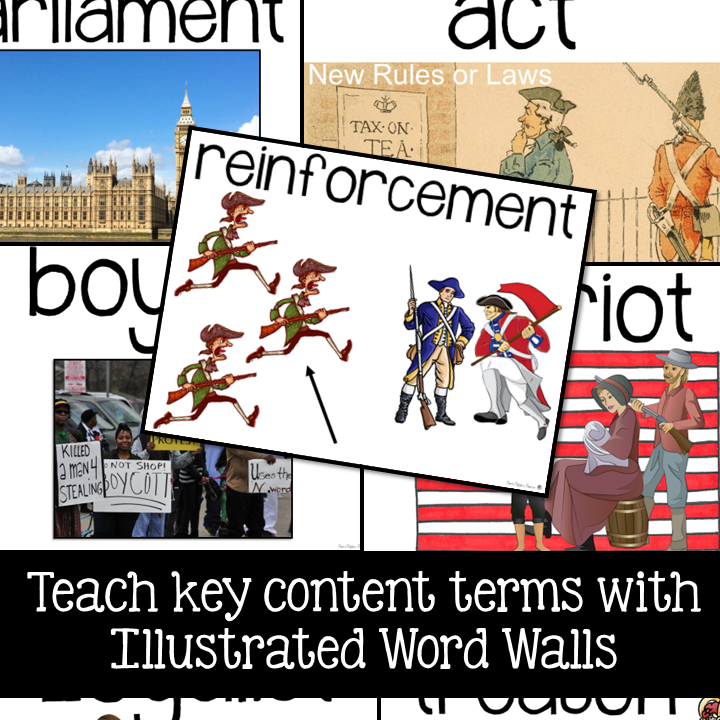
-Word Wall Terms and a Vocabulary Activity,
-a presentation to guide you through the lesson,
–Google Slides™ , and
-an answer key
Texas History TEKS
(1) History. The student understands traditional historical points of reference in Texas history through absolute and relative chronology . The student is expected to:
(A) identify the major eras in Texas history, describe their defining characteristics, and explain the purpose of dividing why historians divide the past into eras, including …Spanish Colonial;
(B) explain the significance of the following dates:…1718, founding of San Antonio;
(2)The student understands how individuals, events, and issues through the Mexican National Era shaped the history of Texas. The student is expected to:
(C)identify important individuals, events, and issues related to European colonization of Texas, including the establishment of Catholic missions, towns, and ranches, and the contributions of individuals such as Fray Damián Massanet, Antonio Margil de Jesús, and Francisco Hidalgo;
(18) The student understands the concept of diversity within unity in Texas. The student is expected to:
(C) identify examples of Spanish influence and the influence of other cultures on Texas such as place names, vocabulary, religion, architecture, food, and the arts; and
(20) The student applies critical-thinking skills to organize and use information acquired through established research methodologies from a variety of valid sources, including technology. The student is expected to:
(B) analyze information by applying absolute and relative chronology through sequencing, categorizing, identifying cause-and-effect relationships, comparing, contrasting, finding the main idea, summarizing, making generalizations and predictions, and drawing inferences and conclusions;
***************************************************************************
Customer Tips:
© Social Studies Success®. All rights reserved by author. This product is to be used by the original downloader only. Copying for more than one teacher, classroom, department, school, or school system is prohibited. This product may not be distributed or displayed digitally for public view. Please do not upload to a shared computer space! Failure to comply is a copyright infringement and a violation of the Digital Millennium Copyright Act (DMCA). Clipart and elements found in this PDF are copyrighted and cannot be extracted and used outside of this file without permission or license. Intended for classroom and personal use ONLY. All images are taken from public domain or purchased through The Dollar Spot Stock Photography. This includes images taken by employees of various US Government agencies; images published prior to 1923; or images that have otherwise been released to public domain.
Please review all product descriptions and previews. If you have a question, contact me before you purchase at SocialStudiesSuccess1@gmail.com. As this is a digital product, all sales are final.


Reviews
There are no reviews yet.